
How this Fast Diet Lifestyle works: Eat these meals tomorrow, for a calorie total of less than 600. On another day this week, eat the meals from a different post, another day of eating 600 calories or less. Eat sensibly the other days of the week. That’s it: a simple way to lose weight and be healthier.
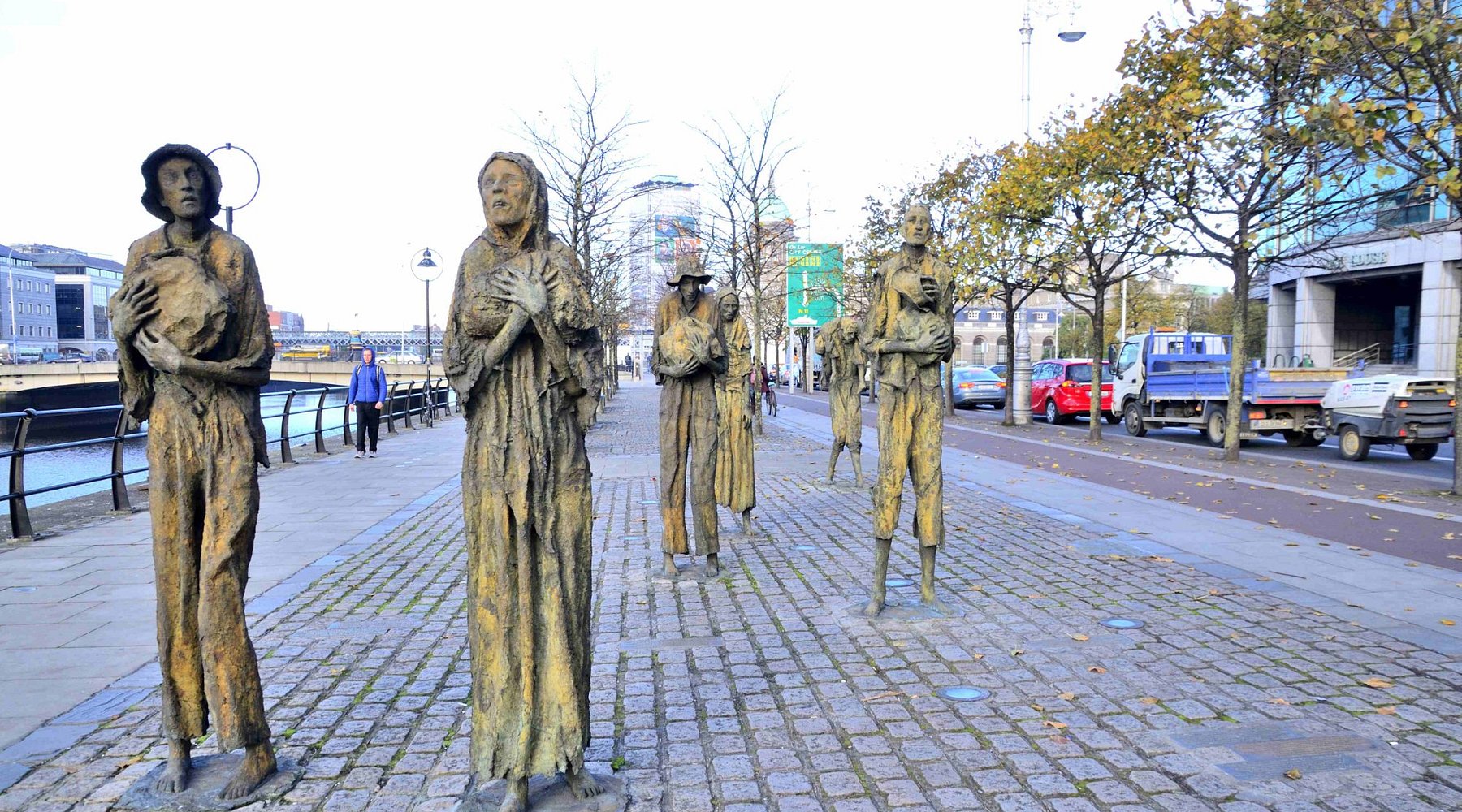
Walter Raleigh (1553 –1618) is said to have brought potatoes [Solanum tuberosum] from the Americas to Ireland in 1589. But he didn’t. Some say it was Francis Drake (c.1540-96), while others maintain it was Thomas Cavendish (1560-1592). However they got there, potatoes were being grown in Ireland before 1600. English aggression in Ireland had driven the resident Irish Catholics to the West Coast of the island. The soil there was poor, yet the climate was well-suited to growing potatoes. Because potatoes are a low-maintenance/high yield crop, a family could plant them in the Spring, then spend the Summer working to earn cash. Come Fall, the tubers could be stored to feed the family all winter. It is said that by 1830, every young Irishman would eat 5 Kg of potatoes each day. On September 9, 1845, a virus arrived from the mainland: Phytophtora infestans, aka: potato blight. It had been floating around potato crops in the Americas and Europe since 1842, and it hit Ireland with full force. The Great Famine ensued, and from 1845-52, one million people died as their principle source of nutrition shriveled in the fields. The British government responded by making wheat and barley grain less expensive, but that was not enough. Quack remedies proliferated, and the blight raged on. In the second year, even more areas were affected, and people emigrated to the USA, to England, to Australia. In all, 1 million people left Ireland, many too ill to survive the voyage. These departures substantially changed the populations of the US and Australia, and bolstered the Roman Catholic Church’s influence in those nations. Oddly, food exports from Ireland to England increased during the famine. Had that food been kept at home and distributed, the famine’s deadly results would have been minimized. Potato blight is still an issue today, and there is no ‘cure’ for it.
Our meals today involve potatoes, the versatile, flavorful, ubiquitous tuber that is eaten around the world.
Fish Cake Breakfast: 145 calories… 2.5 g fat… 2 g fiber… 9.5 g protein… 18.5 g carbs… 42 mg Calcium… PB GF Fish cakes have been a filling meal in North-Eastern North America centuries. In her 1832 cookbook, Lydia Maria Child promoted them for breakfast food. Great idea! HINT: Prepare the fish-potato mixture the night before. This breakfast deserves a revival.

++ 1 slice uncured American streaky bacon ++++ 6 Tbsp/rounded 1/3 cup Fish Cake mixture** ++++ 2 oz tomato slices ++++ ¼ oz fresh spinach ++++ 1 oz sliced strawberries or 2 Tbsp blueberries ++++Optional: 5 oz fruit smoothie or berry-yogurt smoothie [88 calories] Optional: blackish coffee [53 calories] or blackish tea or mocha cafe au lait [65 calories]
Slice tomato and sprinkle with salt. Plate spinach leaves and top with tomatoes and fruit. Cook bacon and plate it. Pour most of the bacon fat from the pan and return the pan to a low heat. Using either a 1 Tbsp or 2 Tbsp measure, scoop out some of the fish cake mixture and put it in the pan. Flatten it slightly to form a disk and cook until browned and crisp on one side. Cook until crisp on the other side and plate with other ingredients.
** Fish Cake Mixture ++ 1/3 cup green or white onion, chopped ++++ 1+2/3 cup mashed potatoes [no milk, no butter] ++++ ¼ tsp dry mustard ++++ salt ++++ pepper ++++ 1 two-oz egg ++++ 2 Tbsp milk ++++ 6 oz cooked fish [cod, haddock, salt cod, salmon or a mixture], flaked into small pieces ++
Combine the onion, potatoes, egg, seasonings, and milk, stirring well. Stir in the fish, gently but thoroughly.
Rumbledethumps: 243 calories… 10 g fat… 4 g fiber… 12.6 g protein… 19.5 g carbs… 171.4 mg Calcium… PB GF Hearty meals like this, made with winter vegetables are common in Scotland and Ireland. Families would gather at the table for this meal, and shout “Death to the Red Hag!” The Red Hag was famine. HINT: The recipe makes enough for 2 servings. Wrap half in cling-wrap and foil and freeze for another dinner.
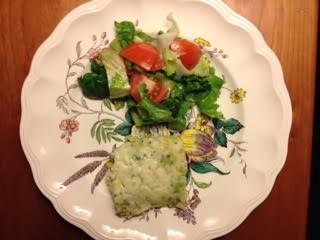
++ ¼ pound potato ++++ 3 Tbsp skimmed milk ++++ 1.5 tsp butter ++++ ¼ tsp ground mace ++++ 2 egg whites ++++ ¼ pound cauliflower ++++ ¾ cup cabbage, chopped ++++ ½ cup leek, sliced ++++ ¼ cup broccoli, chopped ++++ 1/3 cup cheddar, grated ++++ per person: ¾ cup salad greens ++++ 1 oz tomato ++++ ½ tsp olive oil ++++ ½ tsp cider vinegar ++
Cut potato into chunks. Boil and mash with the cauliflower, milk, butter, and mace. Let cool. Steam the cabbage, leek, and broccoli until cooked. Take off the heat. Whip the eggwhites until stiff and fold into the potato/cauliflower mash. Taste for salt and pepper. Gently stir in the remaining steamed vegetables. Smooth into a lightly-spritzed baking dish. [choose the dish with the idea that you will be dividing this into 2 equal portions] Sprinkle with the grated cheese and bake at 350 degrees F. until the cheese is bubbly and just starting to brown. Whisk the oil and vinegar together and toss in the greens. Serve the cool, crispy salad with the hot, creamy rumbledethumps. Good food.
 Eating well, with creative recipes, to follow the Fasting Lifestyle according to Michael Mosley's "Fast Diet."