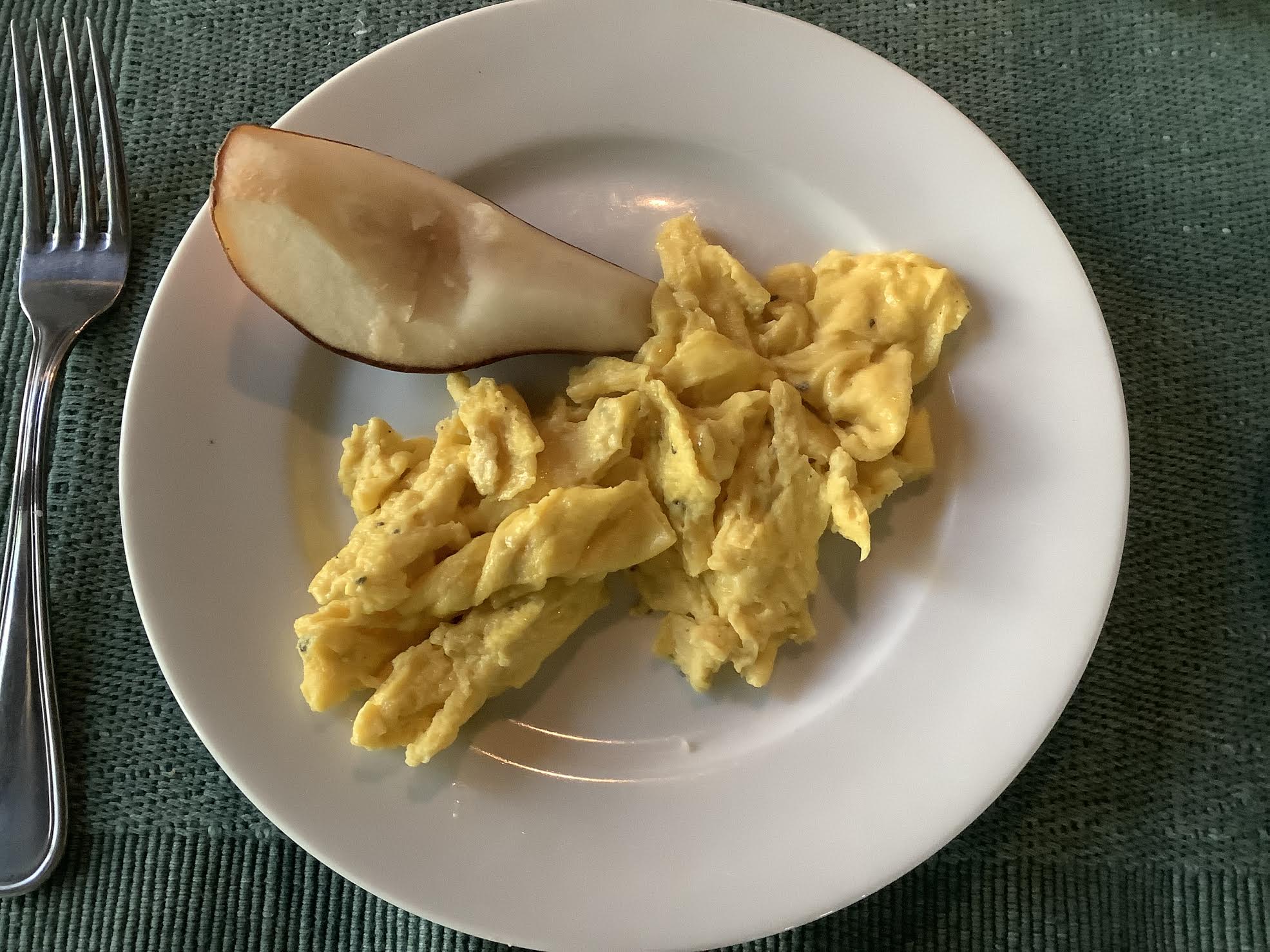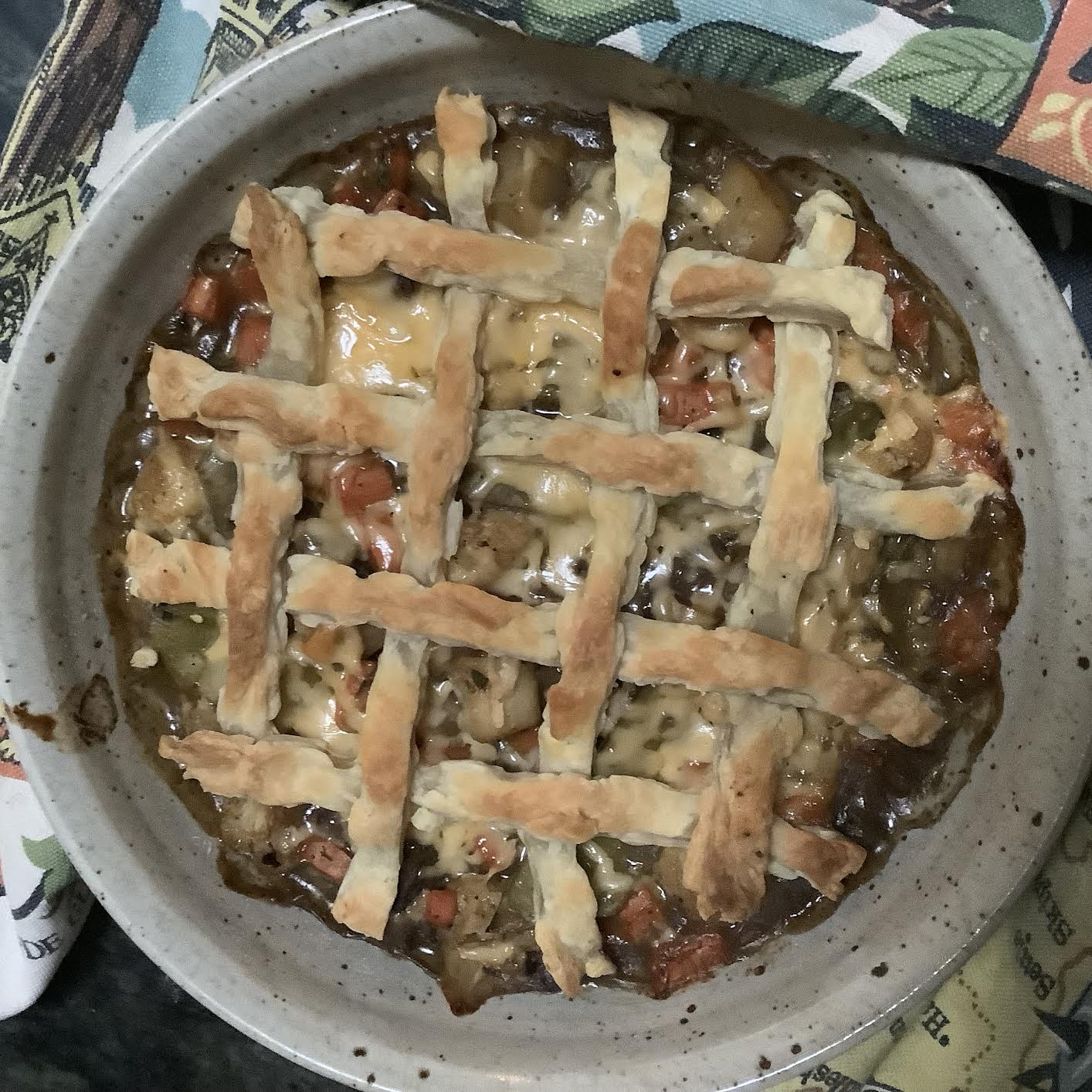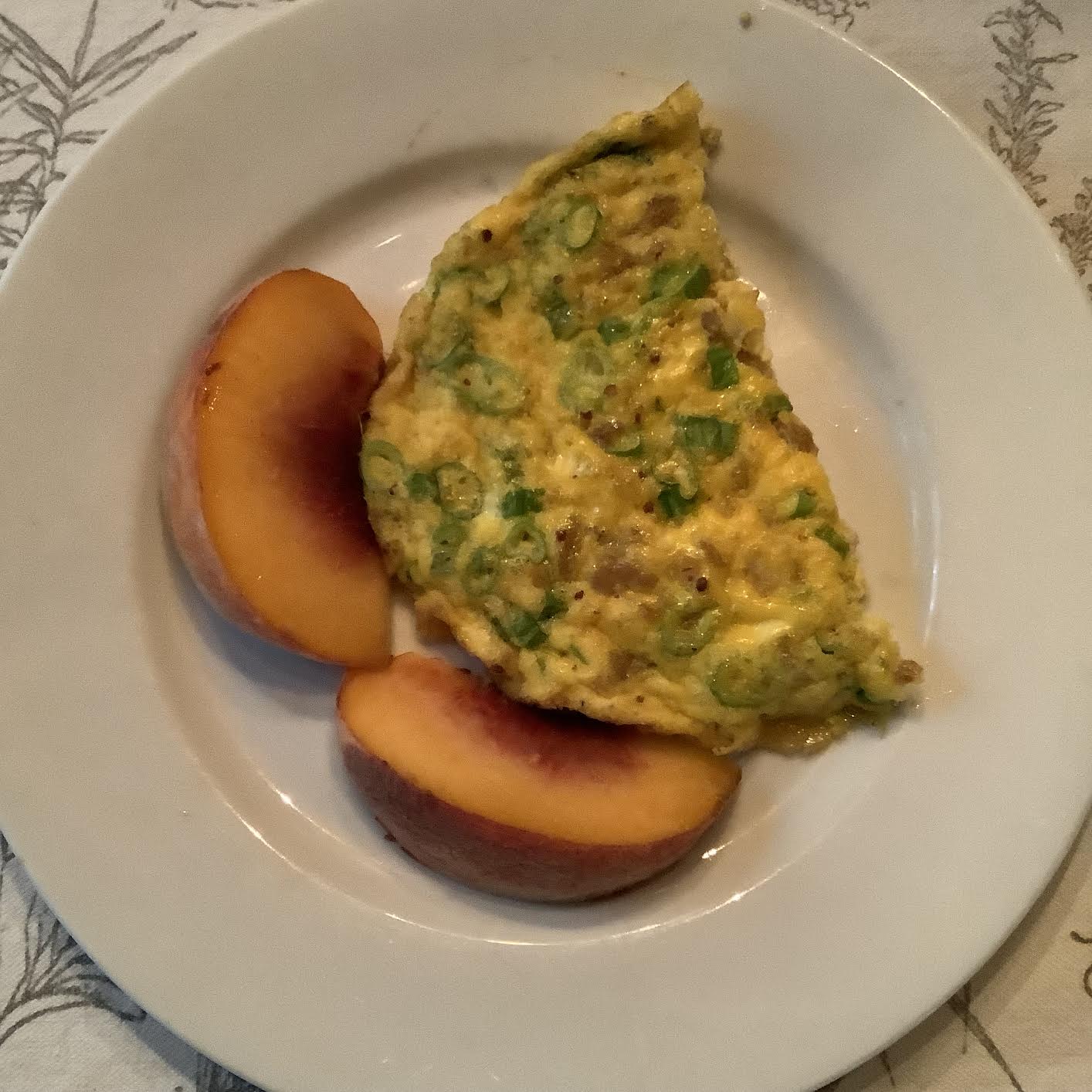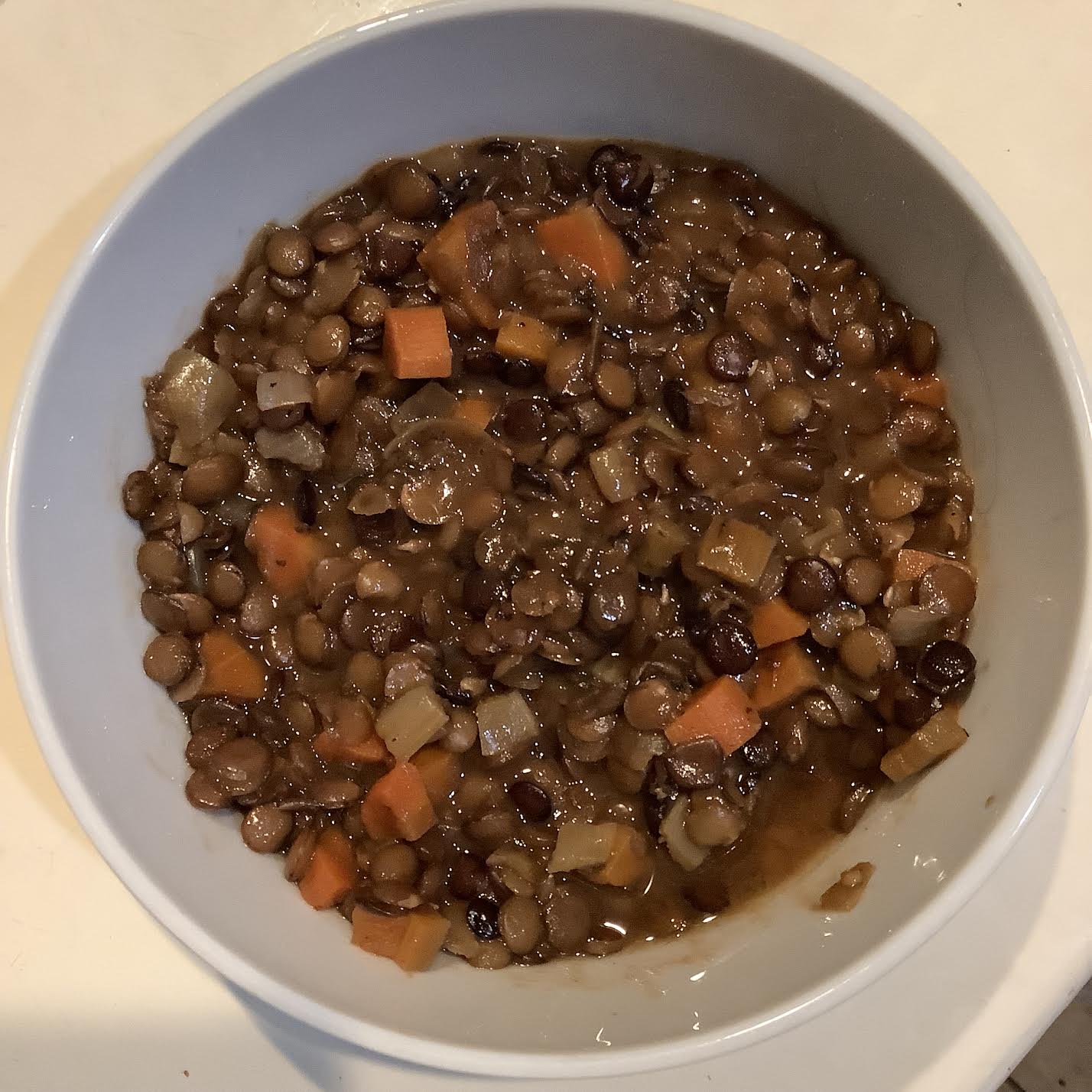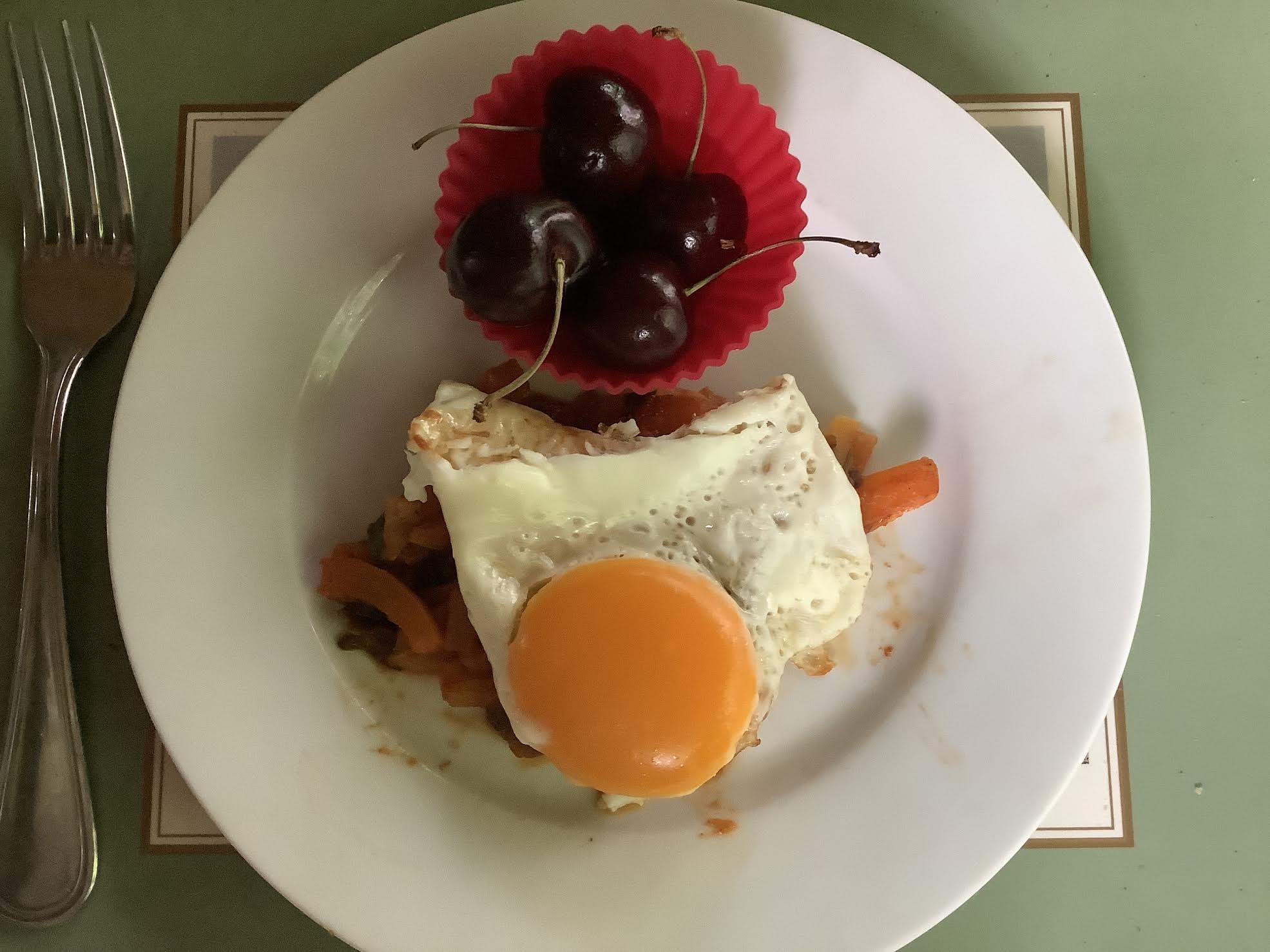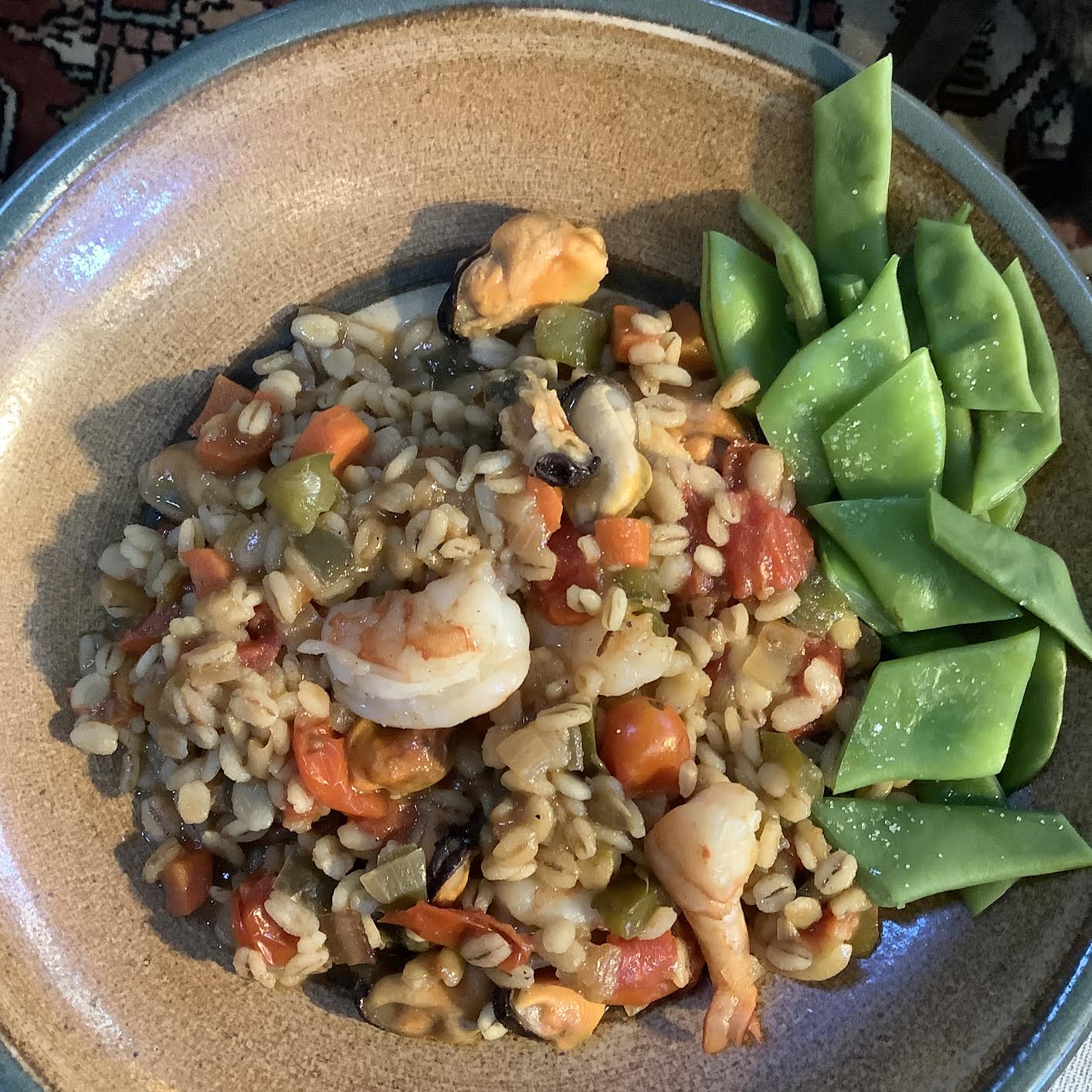
How this Fast Diet Lifestyle works: Eat these meals tomorrow, for a calorie total of less than 600. On another day this week, eat the meals from a different post, another day of eating 600 calories or less. Eat sensibly the other days of the week. That’s it: a simple way to lose weight and be healthier. Join me in the Fasting Lifestyle.
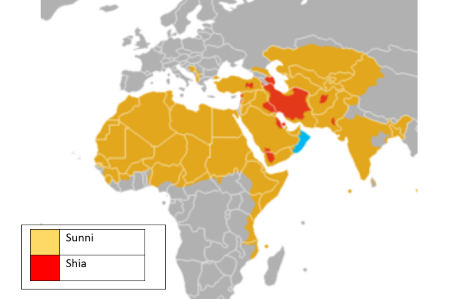
Islam is one of the world’s great religions, having around 2 billion members worldwide. But just as Christianity broke into two different groups [Roman Catholics and Protestants], so the Islamic world is broken into two factions: the Shiites/Shi’as and the Sunnis/Sunis. The divide goes back to the early days of the religion, founded by the Prophet Mohammed. When he died in 632 CE, without a succession plan, his followers met to discuss who would lead them. Some said that the mantle should pass to a relative, holding that son-in-law and cousin Ali ibn Abi Talib was the natural successor, insisting that he had been chosen by Mohammad. They became known as the Shi’as. Another group said that the followers should elect a new leader, favoring Abu Bakr, the Prophet’s father-in-law and closest companion. They became known as Sunis. The dispute became really heated in 679 CE, when the Prophet’s grandson, Husayn [a Shi’a]], was killed by Sunni fighters at the Battle of Karbala on October 10. Ever since that dispute, the groups have developed different ways of expressing and interpreting their religion. The Sunis are 86% of world-wide Muslims, the Shi’as are 14%, centered mostly in Iran. Many conflicts in the Arab world today, and the tensions that exist between nations are due to this age-old dispute. Both groups uphold the Five Pillars of Islam, they all travel to Mecca to worship at the holy sites, they all answer the call to prayer five times a day. Contemporary reconciliation efforts have come to naught. Aside from that, they could be at each other’s throats on the battlefield. The world would be a far happier place if sectarian violence of all kinds were eliminated in favor of the peaceful life that all religions espouse.
Our meals are eaten throughout the Muslim lands of the Levant, and you can enjoy them as well, while having a peaceful day..
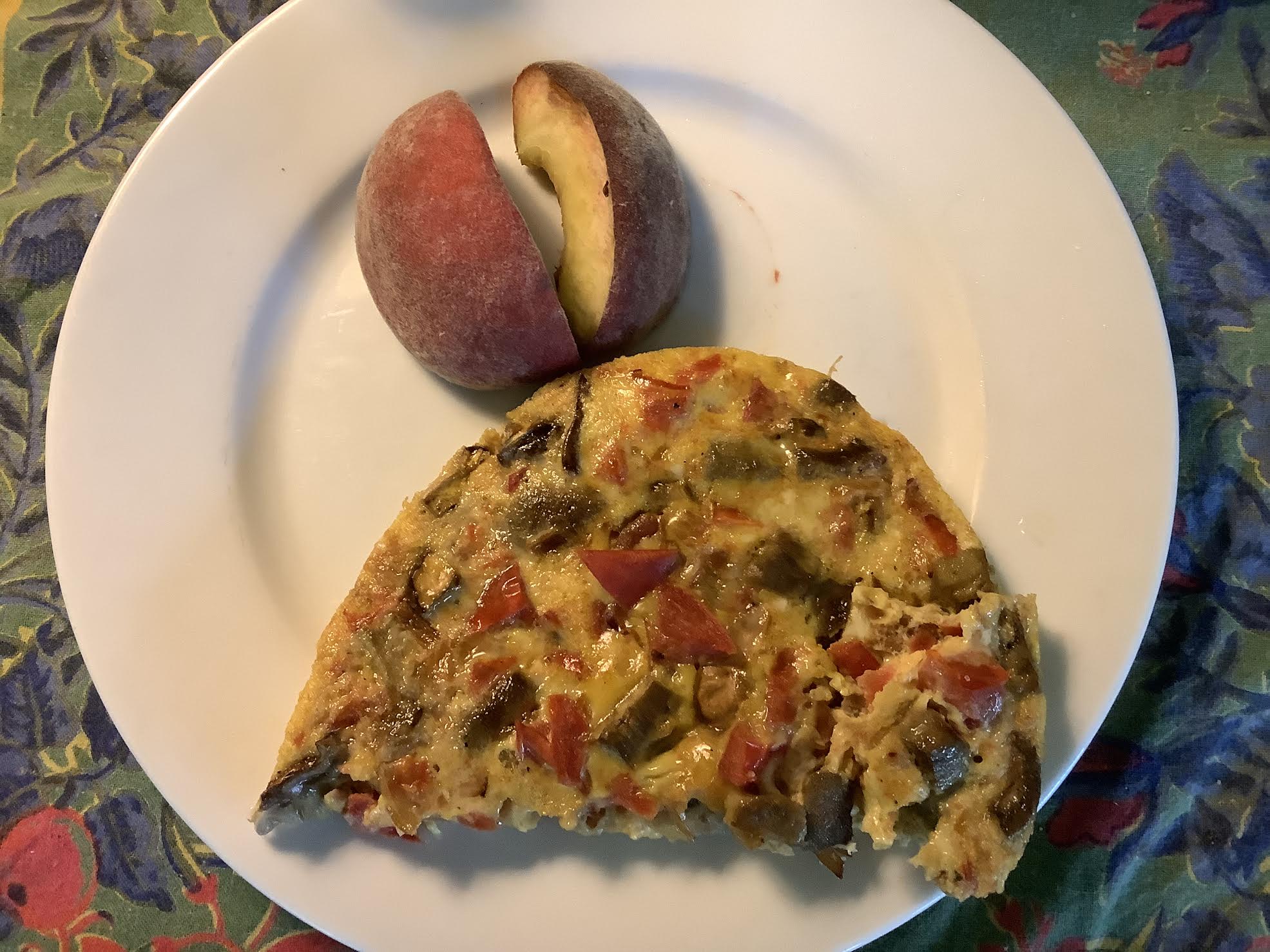
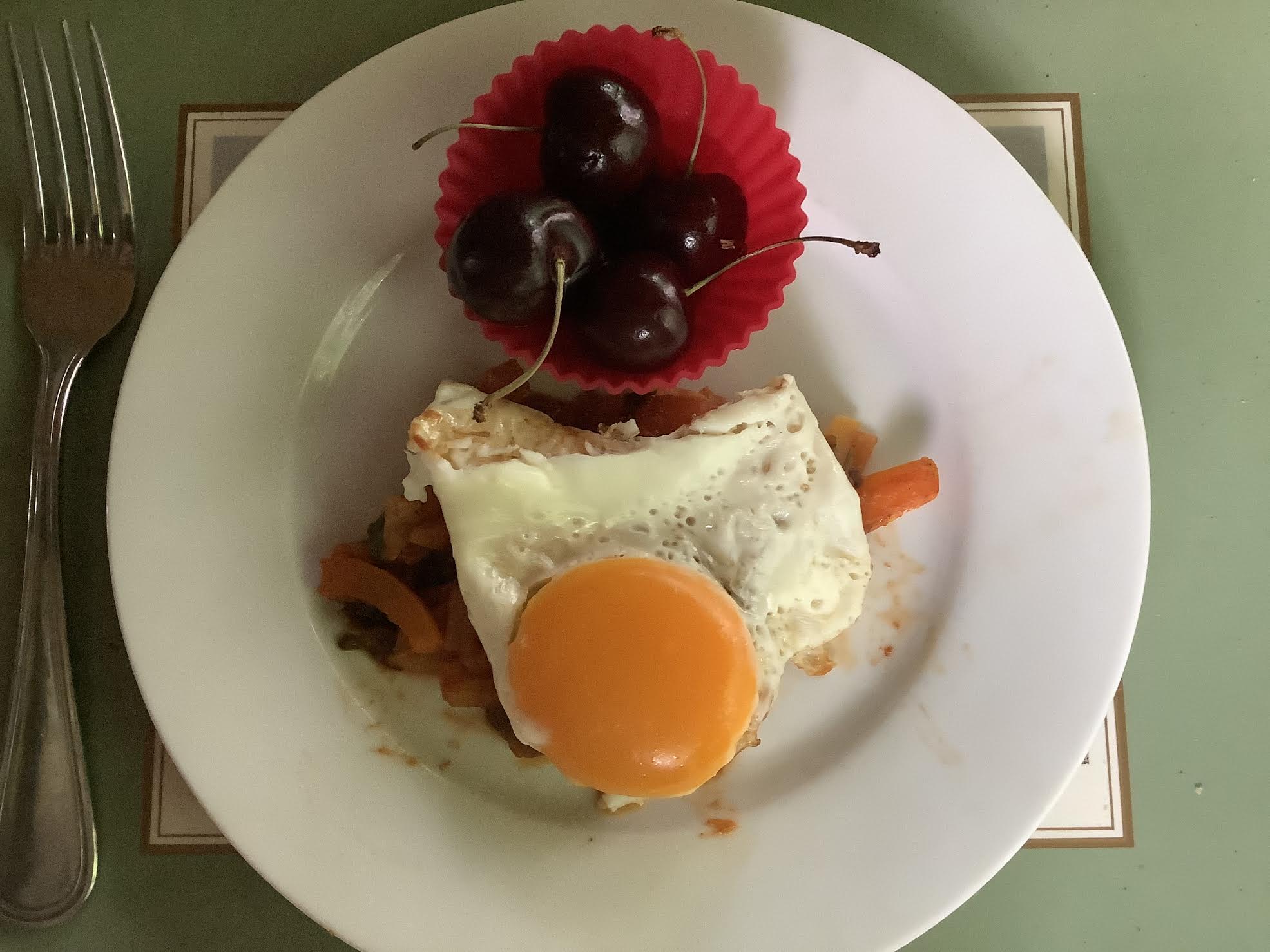
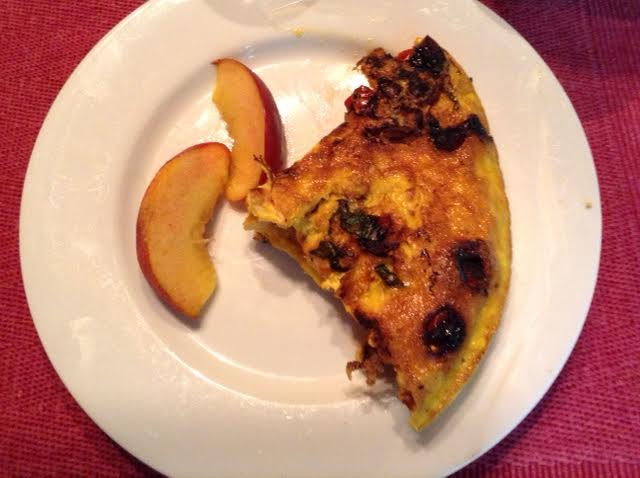
Shakshuka: 158 calories… 8 g fat… 3.5 g fiber… 12 g protein… 17 g carbs… 144 mg Calcium… NB: The food values given above are for the egg bake only, not the optional beverages. PB GFThis breakfast from the Eastern Mediterranean is a real treat. If you prepare part of it the night before, then morning meal prep is very easy. HINT: This recipe serves 2 [two] people. Easily doubled or tripled. This prepares and bakes in one pan!
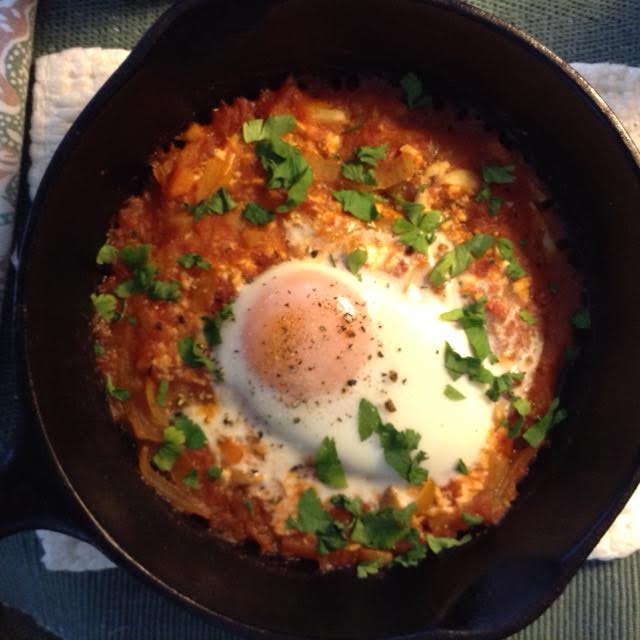
++ 2 two-oz eggs ++++ 1/3 cup sliced onion ++++ ½ cup sliced red pepper ++++ 1 clove garlic, sliced ++++ 10 oz whole tomatoes ++++ ¾ oz feta cheese, cubed or crumbled ++++ 2 large pinches of ground cumin + paprika + cayenne +++ Optional:blackish coffee [53 calories] or blackish tea or mocha cafe au lait [65 calories] ++++ Optional: 5-6 oz fruit smoothie or berry-yogurt smoothie [88 calories] ++
Saute onion and pepper, using non-stick spray, until very soft – about 20 minutes. Add garlic and cook 1-2 minutes more until it is tender. Add spices and cook one minute. Add tomatoes, salt, and pepper. Simmer 10 minutes until mixture is thicker and some of the tomato liquid has cooked off. Add feta cheese. [TIP: you could do this the night before and stop here] Set the oven to 375 degrees F. If serving two, the mixture could be divided into two separate dishes for baking/serving or kept in one larger dish. Using the back of a spoon, press an indentation in the vegetables. Carefully break one egg per person into the indentation. Season with salt and pepper to taste. Bake 7-10 minutes. If you want the yolk to cook, put a lid on the pan for the last 2 minutes. Garnish with cilantro or flat-leaf parsley.
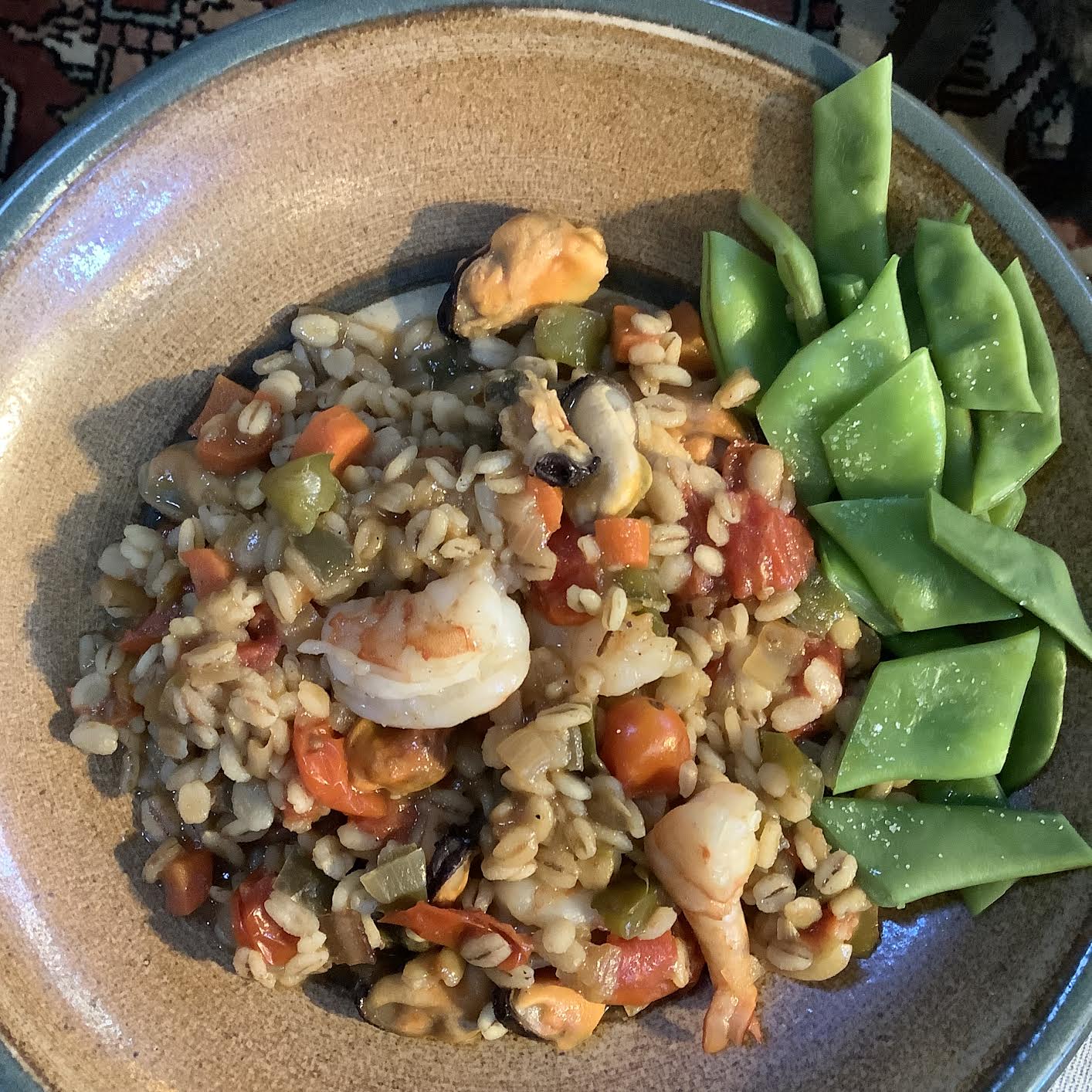
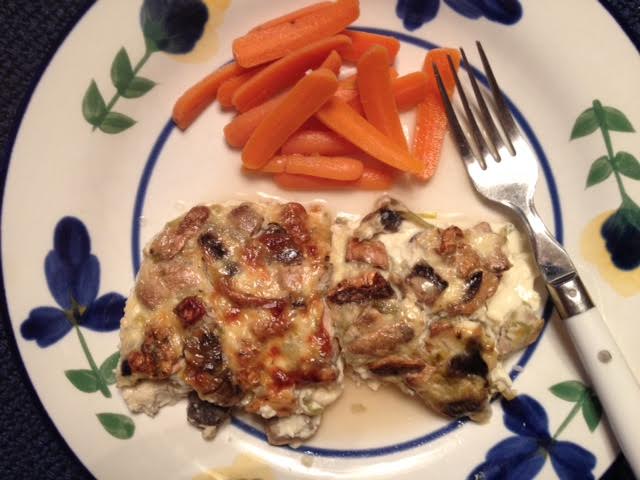
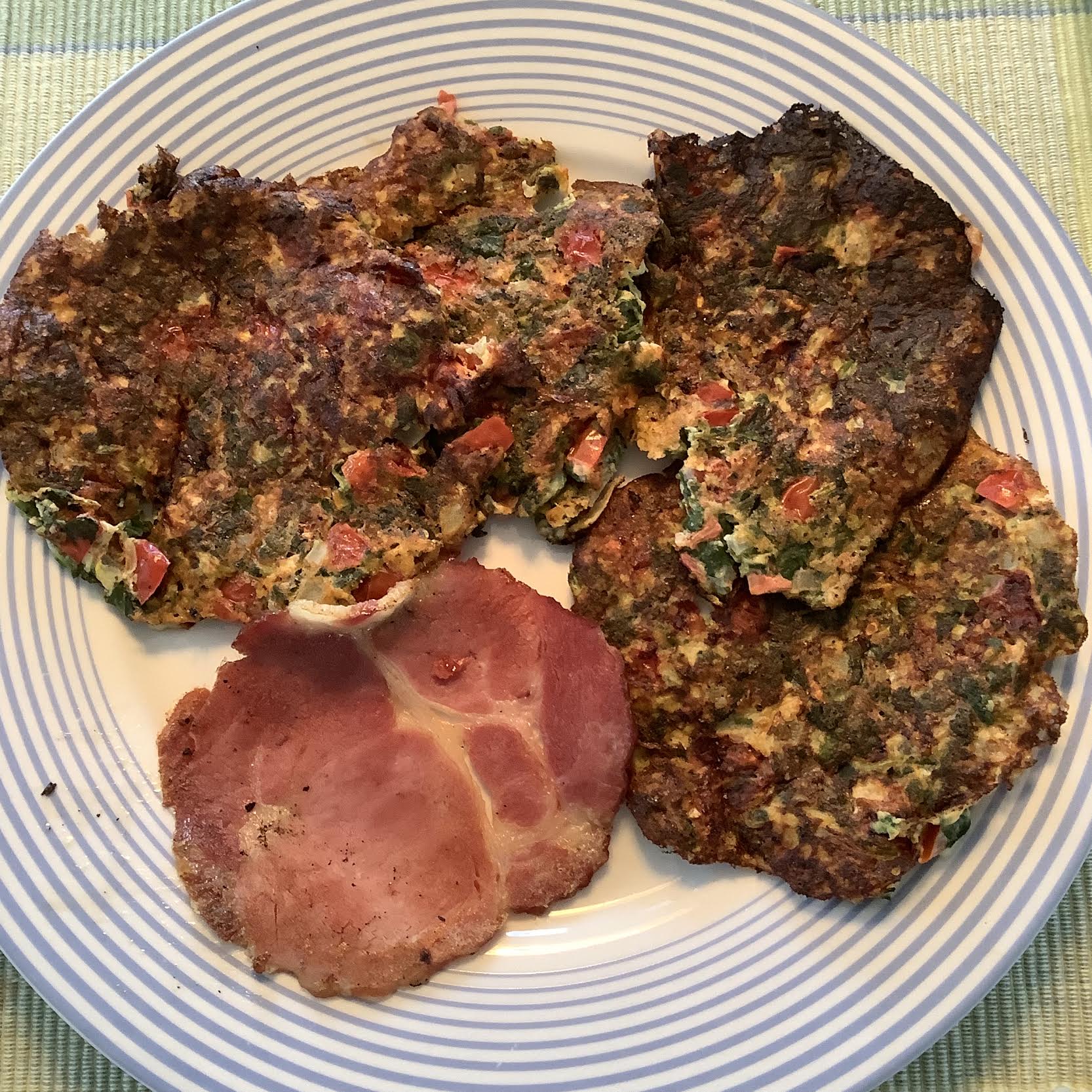
Zucchini-Feta Fritter Meze: 288 calories… 7 g fat … 2.4 g fiber… 27 g protein… 22 g carbs… 285 mg Calcium… PB GF – if using GF flour A delightful meal for a hot day: cool, savory, nourishing.
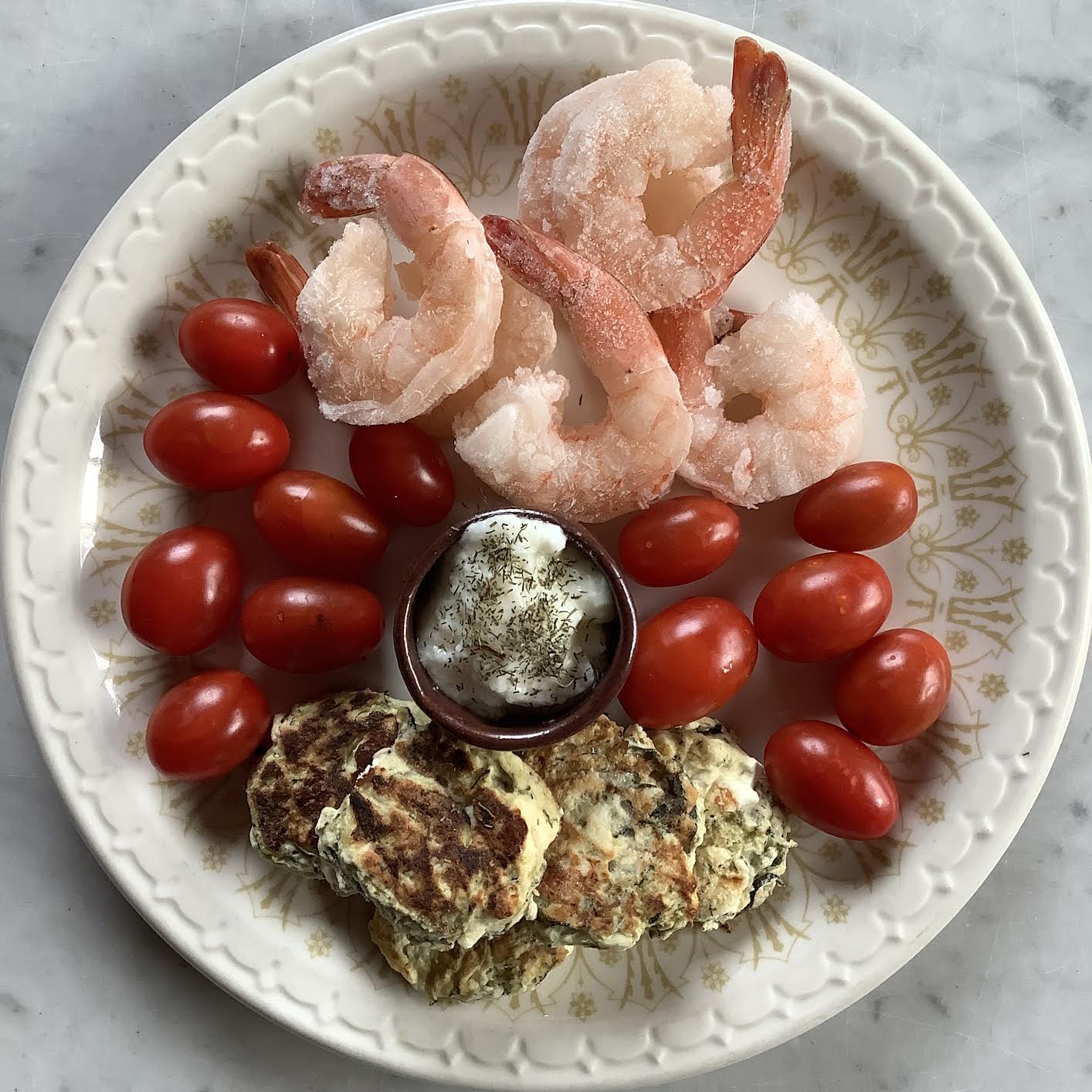
++ 5 zucchini-feta fritters** ++++ 3 oz tomato, cherry-size or large ones sliced or cubed ++++ 3 oz shrimp, steamed or grilled previously ++++ 2 Tbsp plain yogurt ++ za’atar
Arrange items on the plate, top the yogurt with za’atar, and enjoy your stress-free evening meal.
**Zucchini-Feta Fritters makes 23-24 each: 34 calories.. 1.3 g fat.. 0.3 g fiber.. 1.5 g protein.. 3 g carbs.. 34 mg Calcium..–1+1/8 pound [18 oz] zucchini —- salt —- 1 two-oz egg — 4 oz feta cheese, crumbled or diced — ¼ cup fresh dill weed OR 2 Tbsp dried 2 Tbsp fresh parsley —- ¼ c white whole wheat flour — ¼ cup self-rising flour —
Grate the zucchini and put it in a collander over a bowl. Sprinkle with salt and use your fingers to toss the zucchini to distribute the salt. Let sit several hours or overnight. Put zucchini in a clean bowl and add the remaining ingredients. Combine well. Heat a griddle/large skillet and spray with non-stick spray. TIP: I used a 1.5 Tbsp scoop, but a heaping tablespoon would do as well. Make piles of the batter on the cooking surface, then flatten them and cook until well-browned on both sides.