
How this Fast Diet Lifestyle works: Eat these meals tomorrow, for a calorie total of less than 600. On another day this week, eat the meals from a different post, another day of eating 600 calories or less. Eat sensibly the other days of the week. That’s it: a simple way to lose weight and be healthier. Join me in the Fasting Lifestyle.

Dear Husband and I love to read ‘whodunits.’ Crime literature written in English harks back to Edgar Allen Poe’s Murders on Rue Morgue in 1841. As the genre took off, a sub-genre developed: culinary crime. These books are read as much for the procedural as for the vicarious thrills of the meals that are described along the way. There are many authors who tantalize our tastebuds while they challenge our little grey cells and today, I will feature foods from two widely different sources.
Nancy Drew is many a girl’s introduction to ‘crime fiction’, and my sister was a huge fan. The plucky young heroine solved mysteries in a series of books that first appeared in 1930. With her gal chums Bess and George, Nancy appeared in 56 books which have sold 70 million copies world-wide. Author Mildred Wirt Benson wrote 23 of the original 30 books under the nom de plume “Carolyn Keene”. She was the first in a series of authors using the same pen name. In The Mystery of the 99 Steps, Hannah Gruen, the Drew family’s housekeeper, serves French Toast for breakfast.
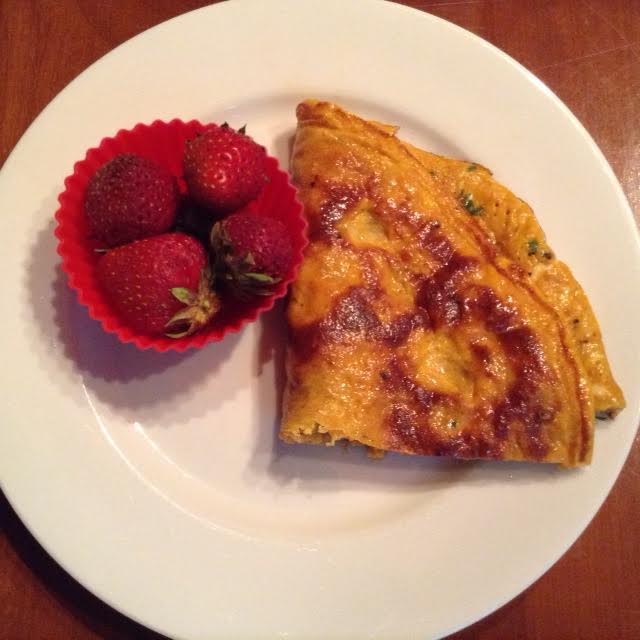
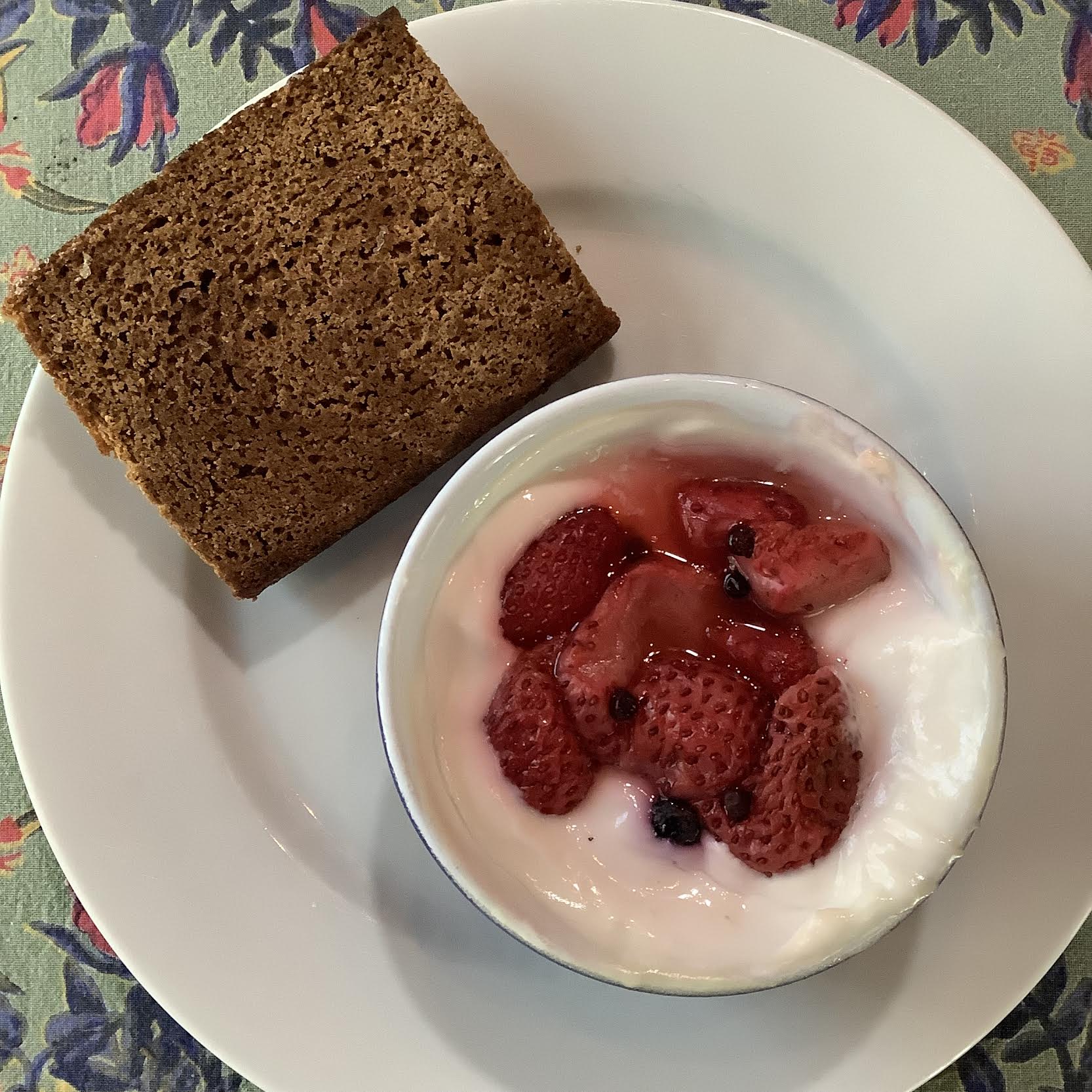
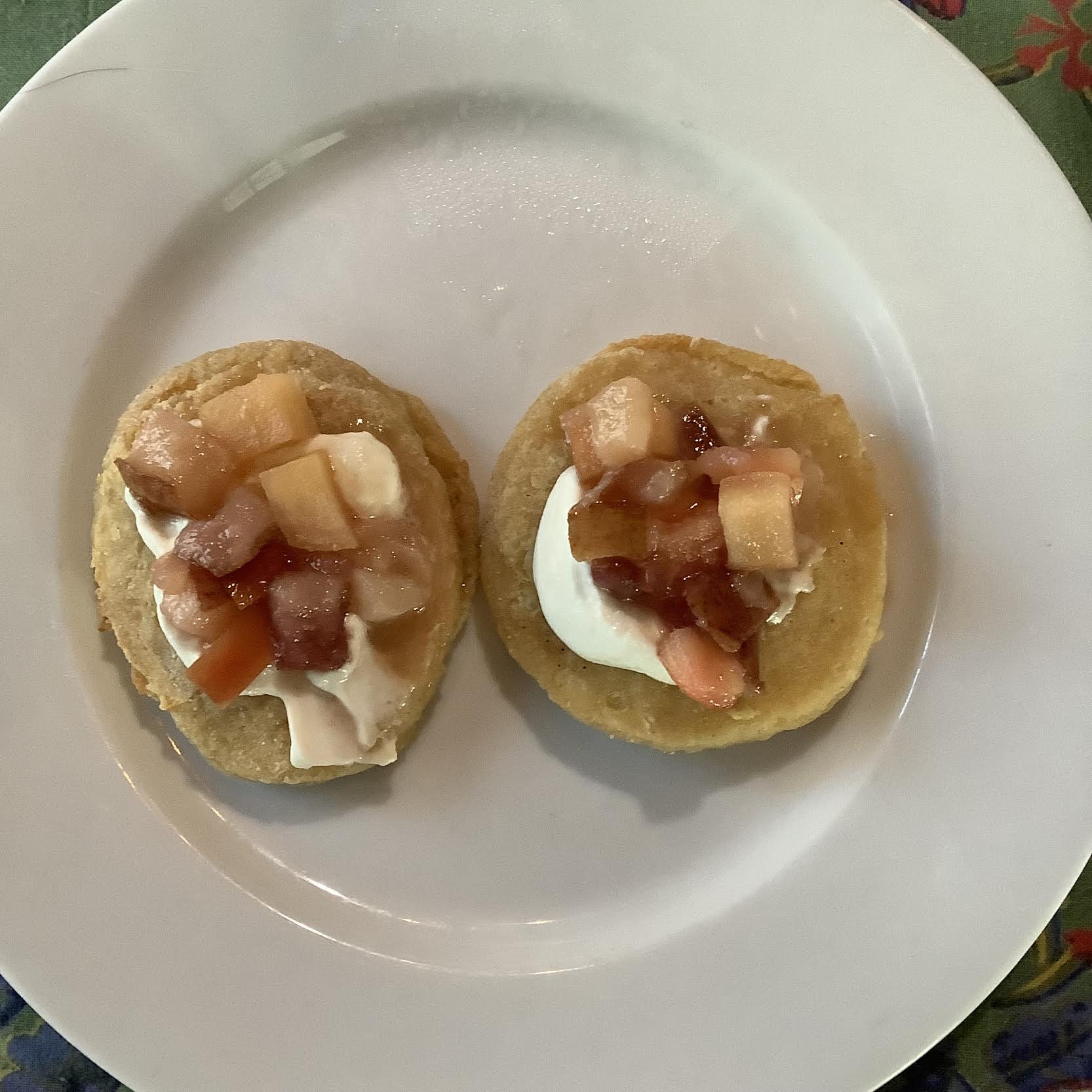
French Toast: 187 calories… 6 g fat… 2.6 g fiber … 12.6 g protein… 15 g carbs … 95 mg Calcium… NB: Food values given are for the plated foods only, and do not include the optional beverage. HINT: This recipe makes French Toast for 2 people or two breakfasts. If serving one, prepare all the toast, but put the remainder in a bag in the freezer for a really fast breakfast later.
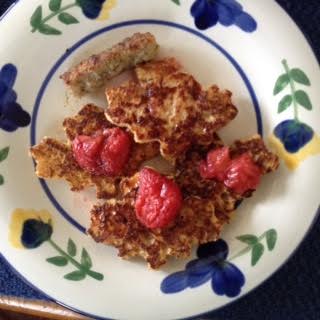
++4 slices 70-cal whole grain bread +++ one 2-oz egg +++ 2 Tbsp fat-free milk +++ per person: 1 oz strawberries, fresh or unsweetened frozen +++ 1½ tsp maple syrup +++one 60-cal chicken sausage +++ Optional: 5 oz fruit smoothie or berry-yogurt smoothie [88 calories] +++ Optional: blackish coffee [53 calories] or blackish tea or mocha cafe au lait [65 calories]
THE NIGHT BEFORE: Whisk the egg and milk together. Cut the pieces of bread using a large cookie cutter. [This step is important for the calorie count to come out right, so don’t skip it even if it seems too much like ‘crafty food.’ The bread that is left over can be fed to the birds or saved to make Stuffed Clams] Put the bread into a dish with a rim which is just big enough for the bread pieces. Pour the egg/milk mixture over the bread, making sure it is all wetted. Let stand OVERNIGHT. Also mash the strawberries and stir into the syrup. NEXT MORNING, cook the batter-soaked bread in a hot non-stick pan with a spritz of non-stick spray until browned on both sides. NOW PUT ½ OF THE PIECES ASIDE TO COOL. PUT INTO A BAG AND FREEZE THEM FOR A LATER DATE. Cook the sausage, too. Warm the mixture a little and smear onto the plated toast. Enjoy with the sausage and beverage of choice.
Chief Inspector Armand Gamache is hero of Louise Penny’s ‘Three Pines Series‘. In The Gray Wolf, he must revisit the monastery of St Gilbert Entre-Les-Loups in northern Quebec Province. The monks serve a vegetarian casserole made of their home-grown produce, and even Jean-Guy Beauvoir, Armand’s carnivore right-hand man [and son-in-law] enjoyed it.
Ratatouille-Feta Casserole: 266 calories…12 g fat… 6.5 g fiber… 11 g protein… 33.5 g carbs. 152.6 mg Calcium… 371 mg Sodium… PB GF – if using GF bread This meal was described in a Louise Penny book, and I decided to try it. Some recipes have you serve it on bread, but I incorporated the bread into the casserole for heft and portion control.
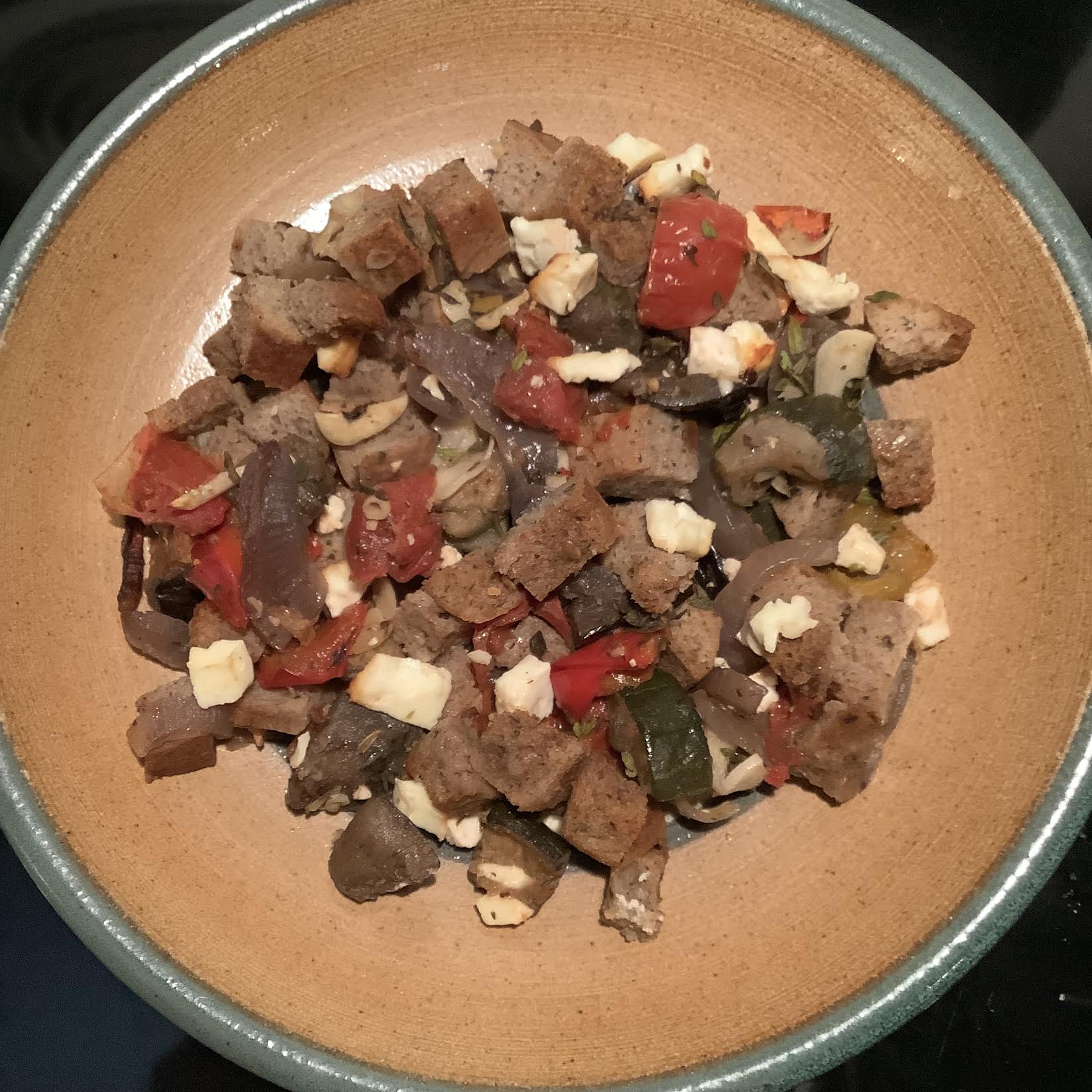
| Serves 3 | |
| ++5 oz eggplant+++5 oz zucchini+++ 5 oz red or yellow sweet pepper+++ 5 oz roma tomatoes+++ | Leave vegetables unpeeled and cut them all into ½” cubes. Put into large saucepan. |
| 5 oz red onion, sliced ¼” thick+++2 cloves garlic, sliced+++ lots of thyme and rosemary+++ crushed red pepper+++ salt & pepper to taste++ | Peel onion and garlic, slice.Add these to saucepan with ½ cup water. Put on lid, simmer until soft but not mushy. |
| 4 oz whole wheat baguette, cut in ¼” cubes | Add to vegetables, mix well. Pour into 6×10” baking pan. |
| 3 oz good feta cheese, crumbled | Distribute on top of vegetables. |
| Bake at 375 until getting a bit charred. Serve hot. |
<<<<<<<< Ingredients for next week >>>>>>>>> Breakfast, single portion for Monday …………………………… single portion for Thursday:
| 1 two-oz egg = US large | 1.5 two-oz eggs |
| hummus | 2%-fat cottage cheese |
| za’atar | mushrooms |
| pear or apple | chives or scallions |
| optional smoothie | optional smoothie |
| optional hot beverage | optional hot beverage |
Dinner, single portion for Monday:………………………….. single portion for Thursday:
| Carrot + onion + veal + dried apricots | caraway seed + collard or other large-leaf greens |
| olive oil + rosemary + dried Turkish fig | chicken sausage with apple @ 110 calories |
| bay leaf + dates + cucumber | applesauce, unsweetened + garlic powder |
| white wine + tomato paste + gozleme bread | onions + sauerkraut |
| Sparkling water | Sparkling water |

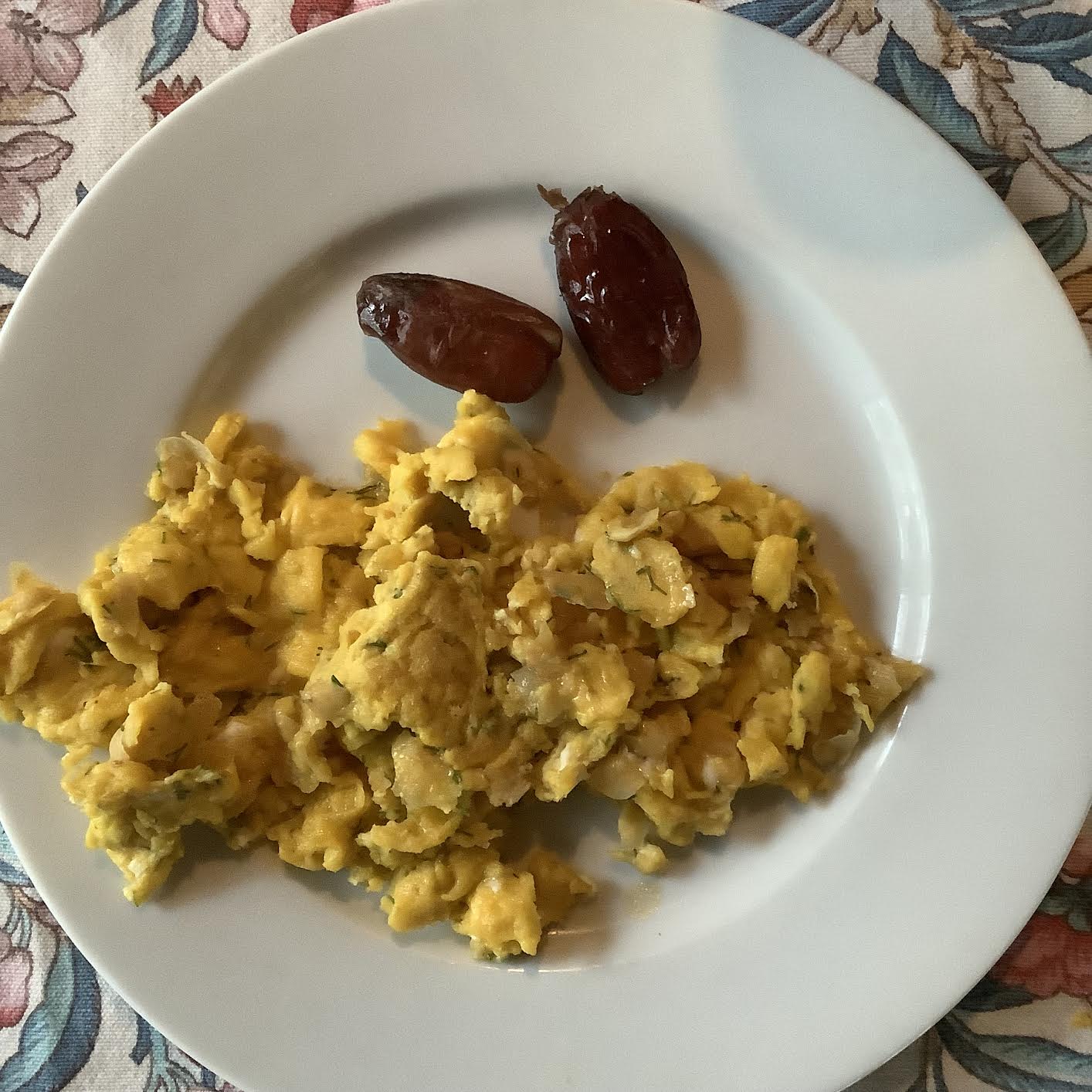
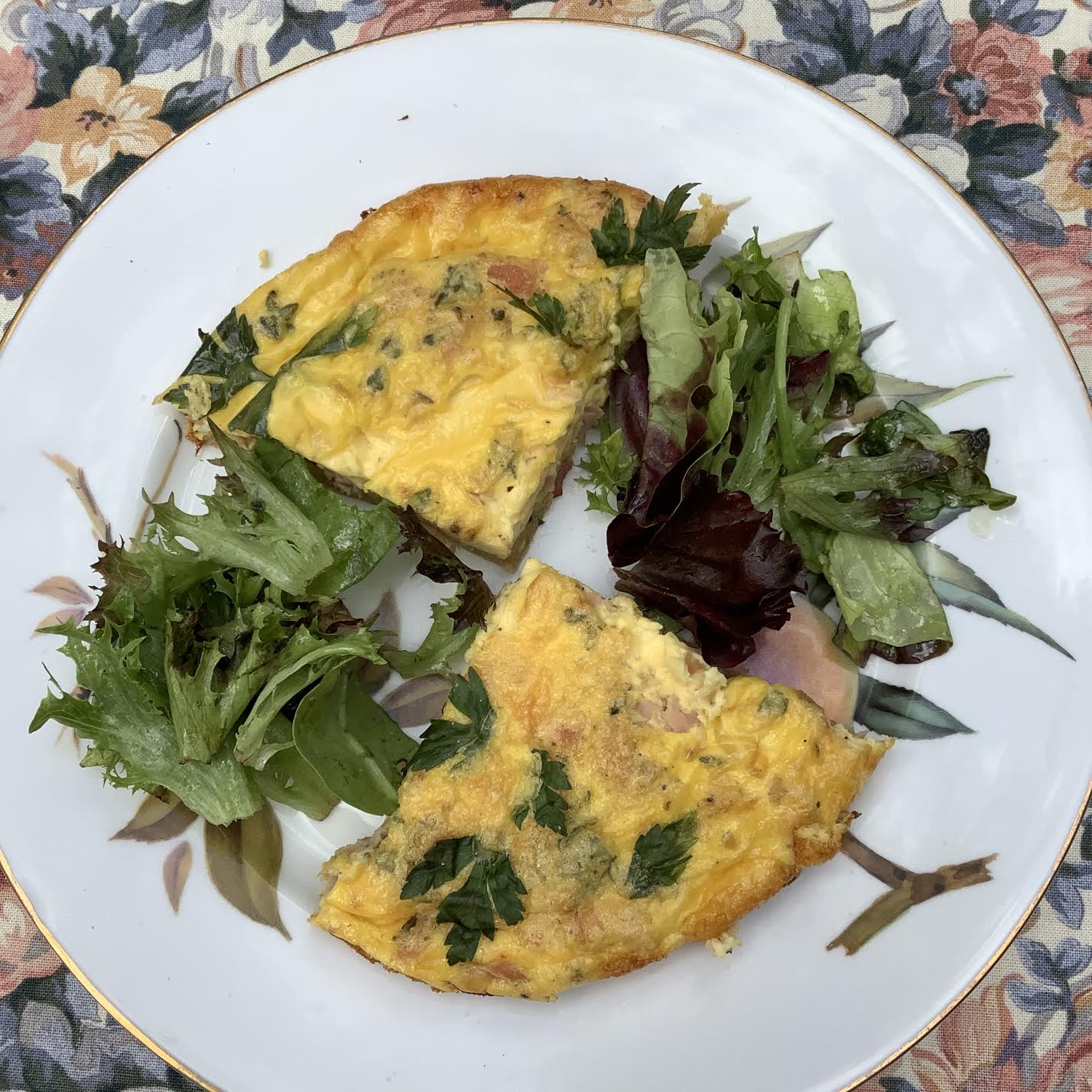




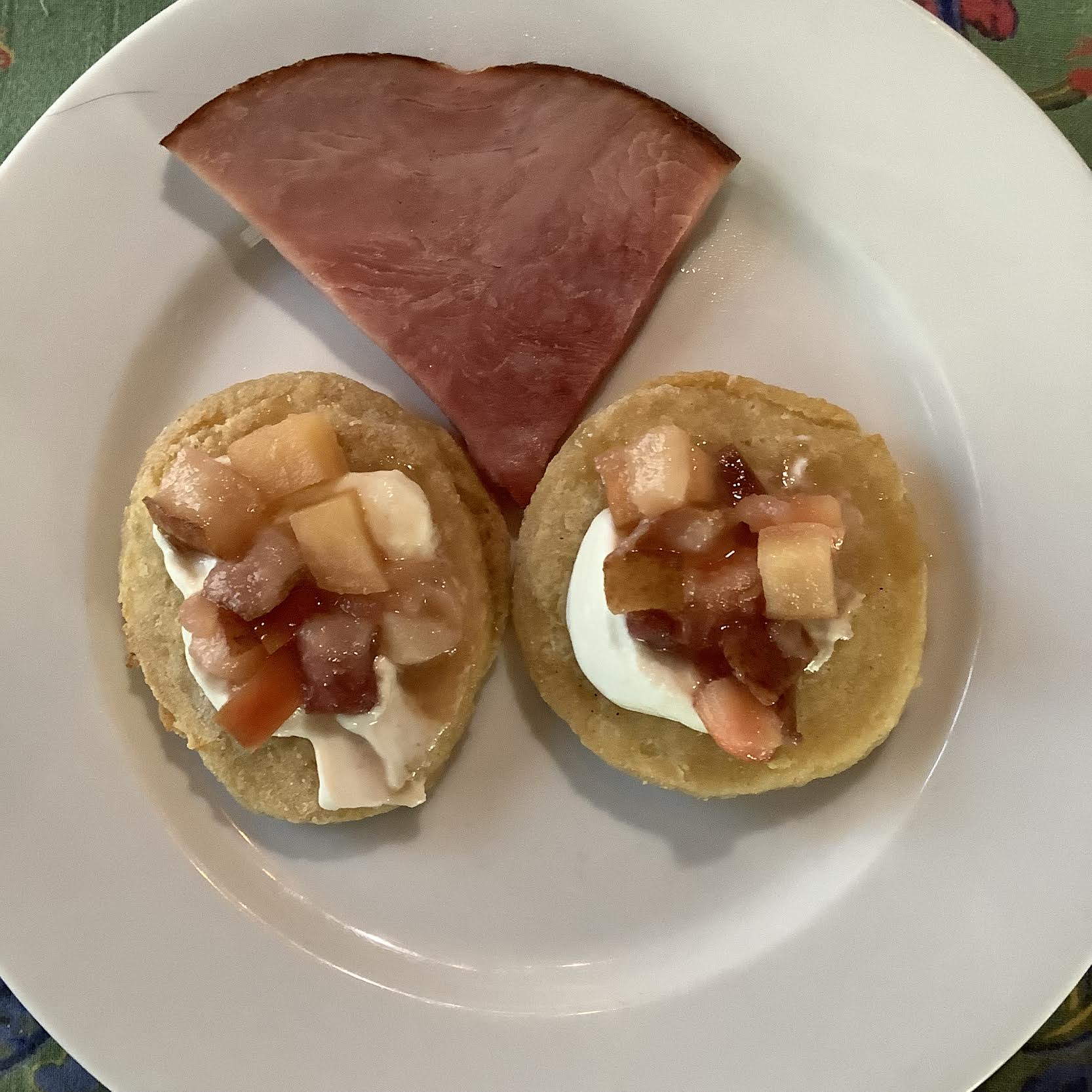
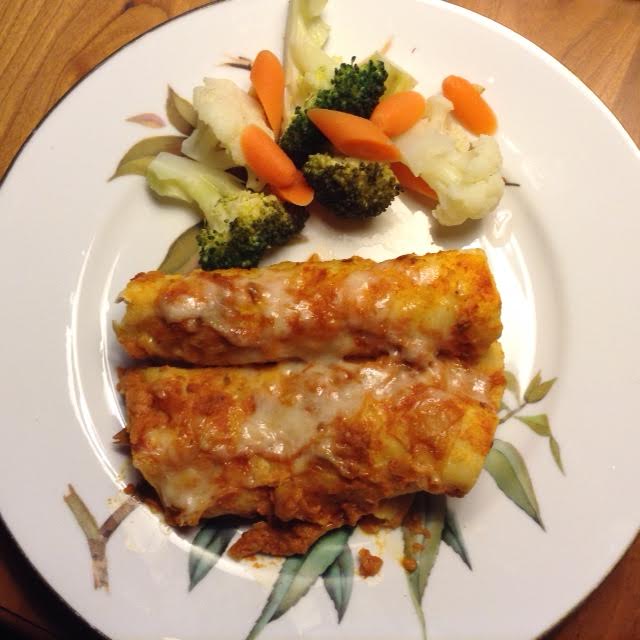
 Eating well, with creative recipes, to follow the Fasting Lifestyle according to Michael Mosley's "Fast Diet."