
How this Fast Diet Lifestyle works: Eat these meals tomorrow, for a calorie total of less than 600. On another day this week, eat the meals from a different post, another day of eating 600 calories or less. Eat sensibly the other days of the week. That’s it: a simple way to lose weight and be healthier.
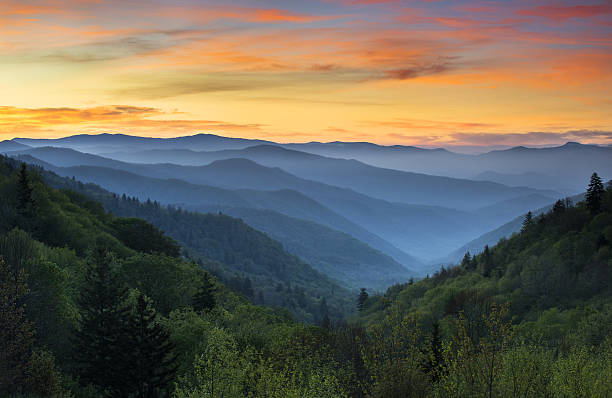
This season of the year, you are likely to hear a rendition of the song “I Wonder as I Wander,” sung by a soloist or played by a bell choir. The first time I heard it was at a Christmas Eve service, warbled by a soprano who’s voice I didn’t especially like. The song struck me as odd…and don’t get me started about the grammar! Over the years, it did not grow on me. Is this really a traditional song, sung at Christmas in the Appalachians? Well, no, it is not. John Jacob Niles was a folklorist, songwriter, musician, and luthier from Kentucky. He traveled through the Appalachians writing down music that he heard. Niles was in Murphy, North Carolina in 1933, watching a revival held by a family of itinerant evangelists. The daughter of the group stepped forward and sang three lines of a song, which immediately caught Niles’ ear. He asked her to repeat it, which she did in exchange for 25 cents. $1.75 later, Niles had the same three lines and the bit of tune to go with them. He himself filled in the tune and more verses. When he published the song and tried to get a copywrite, there were complaints that he should not take credit for a song that he had not written. Except that he did write it — people were convinced that it was a genuine folk song, when it wasn’t. As for the lyrics, they strike me as fake, as if someone said, “What would a Christmas song sound like if Gomer Pyle wrote it? or maybe the Beverly Hillbillies?” In the past 90 years, the song has caught on and is beloved by many, for its haunting tune and folksy lyrics. I’m still not a fan.
Our foods are typical of subsistence farmers the world over. When you must, nothing from the chicken goes to waste. Thus, gizzards in the eggs at breakfast. The dinner sounds as if it is from Europe — but wait! Ratatouille in France = stewed vegetables in the US. And Polenta in Italy = cornmeal mush in the US. Thus, our dinner could easily be cooked and enjoyed in Appalachia.
Gizzard ScrOmelette: 139 calories 10.4 g fat 1.4 g fiber 12 g protein 5 g carbs 51 mg Calcium NB: Food values shown are for the ScrOmelette and fruit only, and do not include the optional beverages. GF Yes, really: gizzards. High in protein, low in fat. You could try this with the gizzard that is in the giblet package at Thanksgiving time or ask at the meat counter.

Three 2-oz eggs of which you will use 1½ eggs per person HINT: If you are serving one person, crack three 2-oz eggs into a small bowl or glass measuring cup. Whip up those eggs and pour half of their volume into a jar with a lid and put it in the ‘fridge for next week. ½ oz gizzards, cleaned and simmered in seasoned stock for 1½ hours [HINT: cook up a bunch of gizzards at the same time for future use] 1 clove garlic, minced sage + salt + pepper 1 oz applesauce Optional: blackish coffee [53 calories] or blackish tea or mocha cafe au lait[65 calories] Optional: 5 oz fruit smoothie or berry-yogurt smoothie[88 calories]
Spritz a non-stick pan with olive oil or non-stick spray. Slice the gizzards and cook them with the garlic and sage until warm. Whisk the eggs with salt & pepper to taste and scramble in the pan with the gizzards. Plate the applesauce and pour the beverages. Real farm food.
Ratatouille with Chicken & Polenta: 228 calories 4.4 g fat 9 g fiber 29 g protein 32 g carbs 115.6 mg Calcium PB Oddly enough, the inspiration for this meal was a dinner on an airplane. I was determined to duplicate and improve the meal, and I think I succeeded. The polenta needs to be made ahead, and the Med Veg could come out of the freezer. All ready in about 20 minutes with those preparations beforehand. TIP: Not too many chicken breasts weigh 3 oz. Lay a 6-oz breast on a cutting board and put your hand flat on top of it. Slice parallel to the board to produce two equal fillets.

1 slice of polenta** 1 cup Mediterranean Vegetables 3 oz chicken breast, skinless and boneless large pinch herbes de Province or thyme
Pour the Mediterranean Vegetables into a small saucepan and add a little water if there isn’t much liquid. Lay the chicken meat on top of the vegetables and sprinkle with pepper and herbes de Province. Put the lid on the pan and simmer until bottom of chicken is cooked. Check to see if you need to add more liquid to prevent the vegetables from scorching. Turn the chicken, cover and continue to cook until it is done. Meanwhile, spritz a heavy skillet lightly with non-stick spray and heat it. Cut the slice of polenta in half so it is about 1/3” thick. Cook it in the hot pan on both sides until it is warm and beginning to brown. Plate the polenta, spoon the vegetables around the polenta, then arrange the chicken on top.
**POLENTA: Sv 6-12 recipe from Bob’s Red Mill 12 slices: each slice = 43 calories 0.2 g fat 1 g fiber 1 g protein 9 g carbs 0 Calcium 1 cup dry polenta 3 c water or vegetable stock 1 tsp salt
Bring salted water/stock to a boil in a 2-qt saucepan. Add the polenta, a few tablespoons at a time, stirring after each addition. Once all the polenta is in the water, turn down the heat to its lowest [I used the smallest burner on its lowest setting] and cook for 30 minutes. Stir often: to prevent lumps, to scrape down the sides, and to keep it from sticking to the bottom. But it is not risotto and does not need constant stirring. After 30 minutes, the polenta will be very thick – the spoon should stand up by itself. Then cook 2-3 minutes more. Brush a very thin layer of oil on a 9×13” baking pan, and turn the polenta into it. Nudge the polenta into the corners and smooth out the top. Let it cool as the polenta solidifies. Before serving, cut into 12 squares. Heat a non-stick skillet and spray with cooking spray. Pan-fry polenta portions until they begin to take on a little color and are heated through. Individually wrap pieces and freeze cooked or uncooked, until needed.
 Eating well, with creative recipes, to follow the Fasting Lifestyle according to Michael Mosley's "Fast Diet."